
Questions You Should Always Ask at an open house
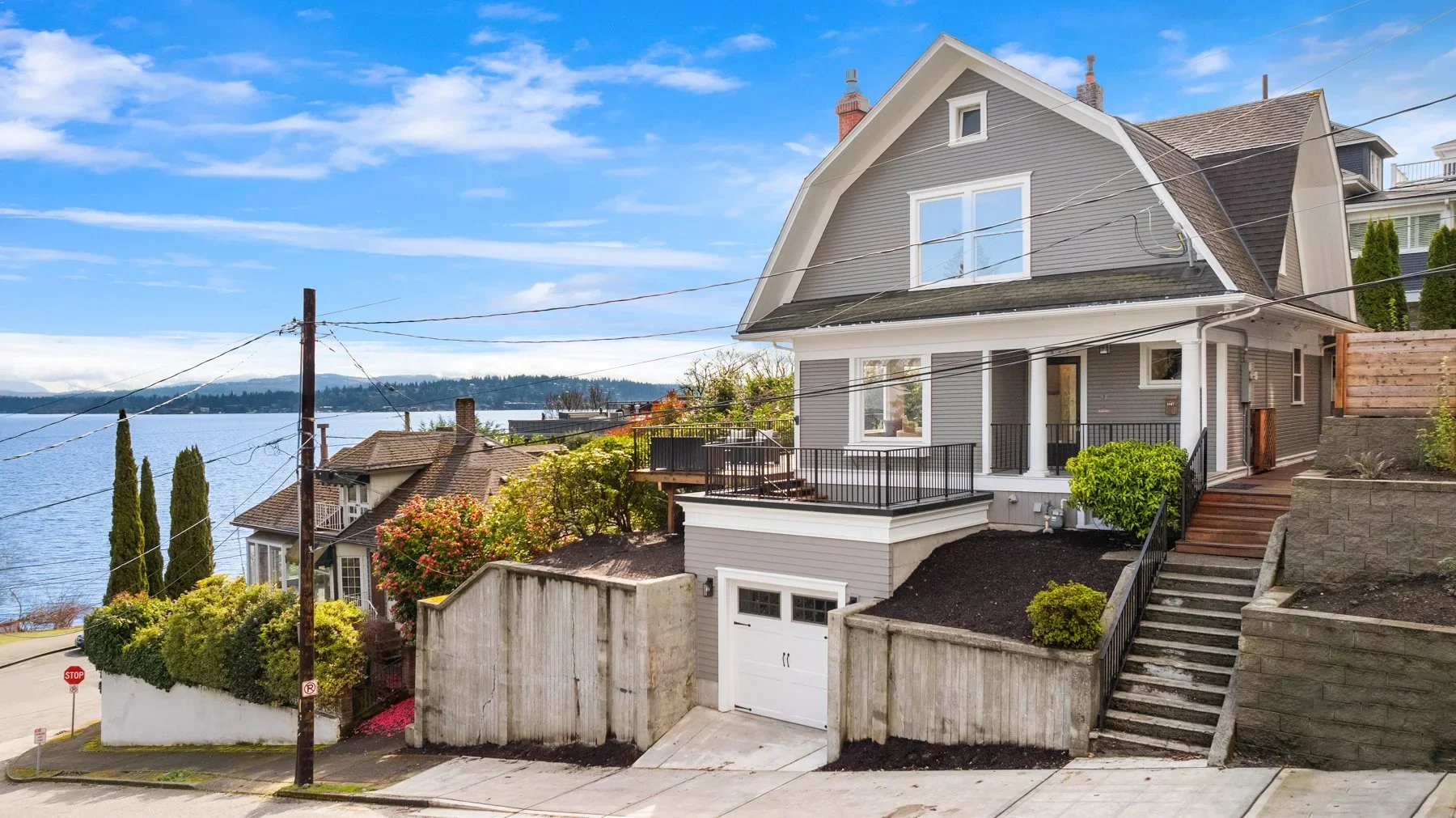
There's a version of open house shopping that feels great in the moment but leaves you completely unprepared to make a smart offer. You tour a beautiful home, you imagine yourself in the kitchen, you picture your furniture in the living room — and then you leave without asking a single question that actually matters. This guide is about the other version.
Whether you're a first-time buyer navigating Seattle's competitive market for the first time, or a seasoned homeowner looking to upgrade in Bellevue, the questions you ask at an open house can be the difference between a confident, well-negotiated purchase and an expensive mistake. Information is leverage. And in real estate, leverage is everything.
Below are five questions that every serious buyer should ask — and more importantly, exactly why each one matters and what to do with the answers you receive.
The 5 Questions That Separate Serious Buyers from Sunday Browsers
1. How long has this home been on the market?
This is one of the most revealing data points available to any buyer — and it's completely public information. In a healthy, well-priced listing, homes in desirable Seattle neighborhoods or Bellevue zip codes often receive offers within the first week or two. So when a property has been sitting for 60, 90, or even 120+ days, it's telling you something.
It may mean the home was originally overpriced. It may mean the marketing hasn't reached the right buyers. It may mean there are known issues deterring people who've already toured it. Or it may simply mean the sellers are highly motivated and ready to move — which is exactly the kind of situation where a well-crafted offer below asking price can succeed.
Don't be afraid of "days on market." Used correctly, it's one of your most powerful negotiating tools. In a market like the greater Seattle and Eastside area where desirable inventory moves fast, anything beyond 30-45 days warrants follow-up questions.
Pro tip: Ask for the original list date, not just the current one. Some sellers relist a property to reset the "days on market" clock — a tactic your buyer's agent can help you see through by pulling the full listing history.
2. Have there been any price reductions?
A price reduction is a public signal of seller motivation. When a seller drops their asking price — especially more than once — they're telling the market that they need to move this property and that their original pricing expectations haven't been met. As a buyer, that's deeply useful information.
In the Seattle and Bellevue real estate market, where multiple offer situations have historically been common in competitive pockets like Kirkland, Redmond, and Mercer Island, a home with one or more price drops stands out. It suggests the seller has recalibrated expectations, and that creates room for negotiation — not just on price, but potentially on closing timelines, contingencies, or seller concessions.
Understanding the history of price reductions also helps you contextualize your offer. If a home started at $1.15M, dropped to $1.09M, and is now listed at $1.05M, you know the seller has already moved $100,000 in your direction. That tells you both how flexible they may be and roughly where their floor might lie.
Price reductions often correlate with seller timelines. A seller who has reduced twice may have already purchased their next home or accepted a job relocation — both scenarios that dramatically increase their motivation to close quickly.
3. Why are the sellers moving?
You won't always get a straight answer to this one. Listing agents are skilled at navigating it diplomatically. But sometimes — especially with less experienced agents, or with owners who are hosting their own open houses — you learn something genuinely valuable.
Common answers like "downsizing," "relocating for work," or "upgrading to something larger" are helpful context. They tell you about timeline pressure, motivation level, and whether the seller has flexibility around your preferred closing date. A seller who has already relocated to another city, for example, is almost always more motivated than one still living in the home with no immediate plans.
What you're really listening for is urgency. A seller facing a divorce settlement, an estate sale, a job transfer with a start date, or a bridge loan situation is a seller who needs this transaction to close on a specific timeline. Understanding that dynamic — even loosely — arms your agent with context that shapes the entire negotiation.
Even a non-answer is informative. If the agent seems evasive or overly scripted in response to this question, it may warrant more due diligence before making an offer.
4. Have there been any offers? If so, why did they fall through?
This is arguably the single most valuable question on this list — and the one most buyers never think to ask. When a home has been under contract and then back on market, or when offers were received and rejected without reaching mutual acceptance, there is almost always a story behind it. And that story often contains information that directly affects your decision to buy.
Failed offers fall through for three main reasons: financing, inspection findings, and title issues. If a previous buyer's financing collapsed, it may simply mean they were pre-qualified but not fully pre-approved — a buyer's side issue that says nothing about the property itself. But if a deal fell apart after inspection, that's a red flag worth investigating. What did the inspector find? Were repairs made? Is there documentation?
Title issues are rarer but can be serious — boundary disputes, easement conflicts, or unresolved liens that cloud ownership. These don't always surface in casual conversation, but an experienced agent knows how to ask the right follow-up questions and pull the property's title history before you invest further.
In the Seattle metro market, where buyers are often competing and moving quickly, skipping this question is a risk not worth taking. A few minutes of curiosity at the open house can save you from weeks of wasted time — or worse, an expensive post-closing discovery.
If an offer fell through due to inspection findings, ask directly whether those issues were repaired, and request documentation. In Washington State, sellers are required to disclose material defects — a seller disclosure statement should be part of every listing package.
5. What are the average monthly utility costs?
This is the most overlooked question on this list — and possibly the one with the most direct impact on your daily life as a homeowner. Buyers spend enormous energy negotiating the purchase price and comparatively zero energy thinking about the ongoing cost of actually living in the home. But utility costs can vary dramatically from home to home, and they affect your budget every single month for as long as you own the property.
In the Pacific Northwest, home heating is a major variable. Older homes — particularly those in Seattle's classic Craftsman neighborhoods or mid-century Bellevue subdivisions — can be surprisingly expensive to heat if they lack modern insulation, dual-pane windows, or updated HVAC systems. Ask for average gas and electric bills across all four seasons. Ask about water costs if there's a large yard or irrigation system. Ask whether the home has had any energy efficiency upgrades.
Beyond heating and cooling, consider internet infrastructure (especially relevant for remote workers), HOA fees if applicable, and the cost of maintaining any outbuildings, pools, or acreage that comes with the property. These numbers, added to your mortgage payment, taxes, and insurance, give you a true picture of your monthly carrying cost — and that's the number you should be underwriting your offer against, not just the purchase price.
Washington State has no income tax, but property taxes in King and Snohomish counties can be substantial. Ask for the most recent annual property tax statement and factor that into your monthly budget alongside utilities.
An open house isn't just a showing — it's an intelligence-gathering opportunity. Every question you ask is data. And in real estate, the buyer with the best data almost always makes the best deal.
— Macdonald Group Real Estate, Seattle & Bellevue
Beyond the Five: What to Observe While You're There
Questions are only half the picture. What you observe with your own eyes during an open house can be just as revealing. Experienced buyers and agents develop a kind of sixth sense for what a home is communicating beyond the staging and the fresh-paint smell. Here are a few things worth paying attention to:
Buyer's Checklist
What to Look For While You Tour
Check the ceilings, especially in corners and near exterior walls — water staining is one of the most common signs of roof or plumbing issues that may not be immediately obvious.
Open and close every door and window. Sticking doors or windows that won't latch smoothly can indicate foundation settling or framing issues — costly repairs that rarely surface in surface-level home staging.
Look under sinks in the kitchen and bathrooms. Water damage to cabinet interiors, soft wood, or visible rust on pipes all tell a story about plumbing health.
Notice the slope of the floors, especially in older homes. A gentle variation can be normal, but significant dips or tilts in load-bearing areas may reflect structural concerns.
Step outside and look at the grade of the land around the foundation. Does the ground slope toward the home or away from it? Improper grading that directs water toward the foundation is a leading cause of basement moisture issues in the Seattle region.
Ask about the age of the roof, furnace, and water heater. In Washington State's wet climate, a roof past its expected lifespan is a near-certain capital expense within your first few years of ownership.
Pay attention to smell. A musty or damp odor — especially in basements, crawlspaces, or bathrooms — often indicates mold or moisture issues that staging cannot fully mask.
Why This Matters Even More in the Seattle & Bellevue Market
The greater Seattle and Eastside real estate market is one of the most dynamic — and sometimes intense — in the country. King County home prices have experienced significant appreciation over the past decade, driven by the concentration of major tech employers, a highly educated workforce, and consistently limited housing inventory in the most desirable neighborhoods.
That competitive environment can pressure buyers into making fast decisions with incomplete information. Multiple offer situations, escalation clauses, and shortened inspection contingency windows have all become standard features of hot pockets in the market. And while the market does cycle — with periods of slower activity and more buyer-friendly conditions returning periodically — the underlying fundamentals that make this market competitive haven't changed.
What this means practically is that preparation matters enormously. A buyer who walks into an open house having already secured full mortgage pre-approval, armed with the right questions, and guided by an experienced local agent, is categorically better positioned than one who's just browsing. The questions in this guide aren't just useful in slow markets — they're essential in fast ones, because they help you make rapid decisions from a place of knowledge rather than emotion.
The Role of Your Buyer's Agent in All of This
Here's a truth that first-time buyers sometimes don't fully appreciate: when you attend an open house, the agent hosting it represents the seller. Their job is to put the property in its best possible light and facilitate a successful sale for their client. They are not your advocate — and they are not required to volunteer information that might give you negotiating leverage.
That's not a criticism; it's simply how the system works. Your buyer's agent, on the other hand, works exclusively in your interest. They have access to the full listing history, comparable sales data, neighborhood trends, and professional relationships that allow them to gather information beyond what an open house conversation provides. They can pull up inspection reports from previous transactions in some cases, research permit histories on renovations, flag red flags in the seller disclosure statement, and structure an offer that protects you at every stage.
In the Seattle and Bellevue market specifically, where the gap between a well-crafted offer and a poorly timed one can mean tens of thousands of dollars, having a skilled and knowledgeable buyer's agent isn't a luxury — it's a strategic advantage.
Frequently Asked Questions About Attending Open Houses
Should I attend open houses before I have mortgage pre-approval?
Attending open houses for research and neighborhood exploration is perfectly reasonable even before you're pre-approved. But if you find a home you love and want to make an offer, you'll need a pre-approval letter in hand. In competitive Seattle and Bellevue markets, sellers typically won't entertain offers from buyers who haven't demonstrated financing readiness. Getting pre-approved early also clarifies your actual budget — which sometimes turns out to be different from what you initially expected.
Is it okay to ask the listing agent direct questions at an open house?
Yes — and you should. Listing agents are there to answer questions about the property. They may not share information that would harm their client's negotiating position, but asking the questions in this guide is entirely appropriate. Just remember: what they tell you should inform your thinking, not replace the due diligence you'll do with your own agent before making an offer.
What if I visit an open house without a buyer's agent — does that hurt me?
You won't be turned away, but you may inadvertently signal that you're unrepresented, which can affect the dynamic of any subsequent offer you make. Additionally, in Washington State, dual agency — where a single agent represents both buyer and seller — is legal but creates an inherent conflict of interest. If you're serious about a home you discovered at an open house, connecting with your own buyer's agent before making an offer is always the smarter path.
How many open houses should I attend before making an offer?
There's no magic number, but most experienced buyers recommend touring enough homes to develop a calibrated sense of what quality, value, and condition look like at different price points in your target area. In active markets, that might mean 10 to 20 homes toured before your first offer. The benefit of this groundwork is that when you find the right home, you recognize it quickly and can act with both confidence and decisiveness.
Ready to Buy Smarter?
You don't have to navigate Seattle's competitive real estate market alone. Our team will guide you, show you what to look for, and advocate for you every step of the way — from your first open house to the day you get the keys.